What soft washing means on a Provo commercial facade
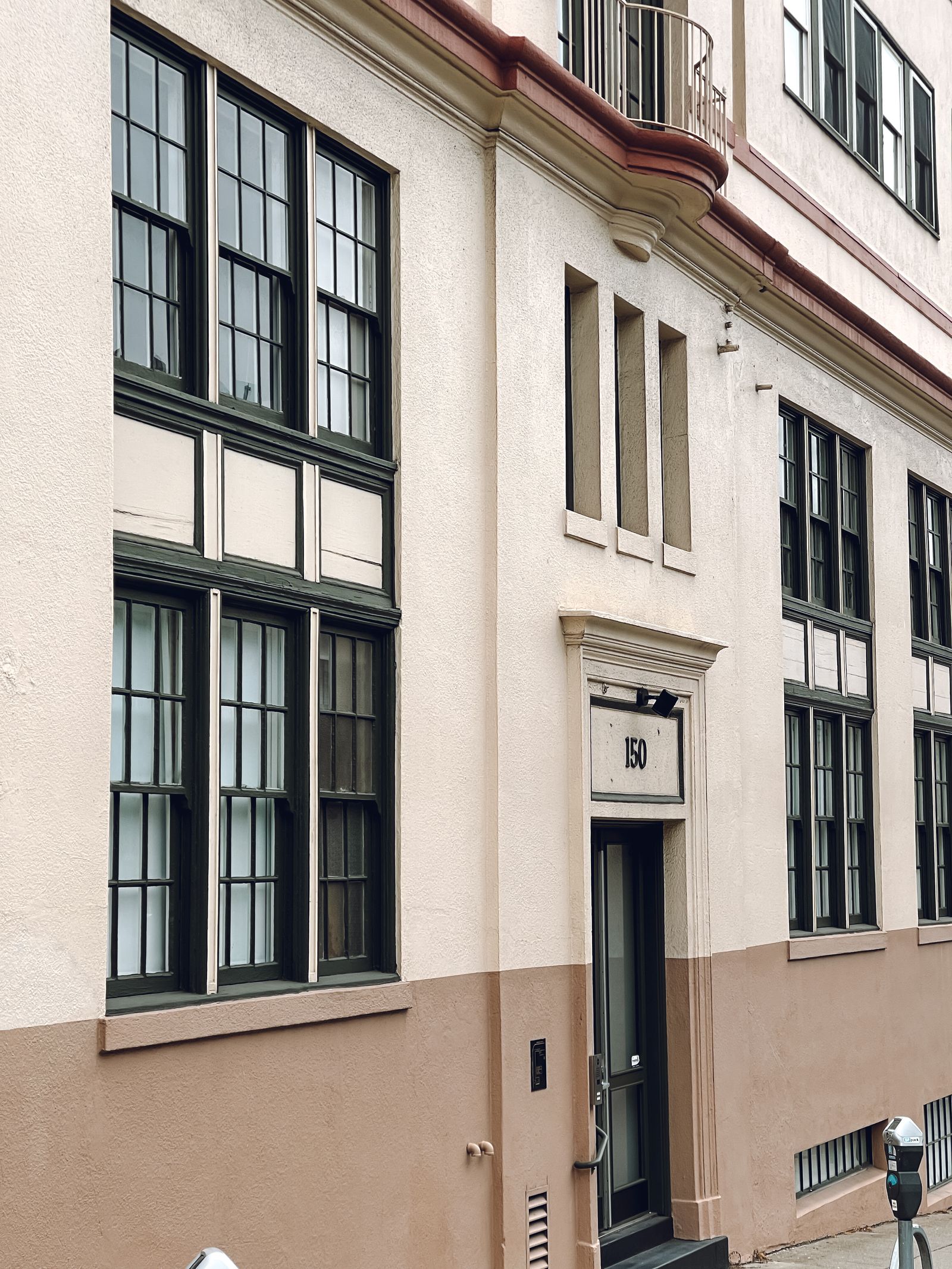
Soft washing generally uses a compatible cleaning solution, controlled application, appropriate dwell, and a measured rinse rather than relying on high mechanical force. It can suit certain organic growth, pollen, bird residue, and atmospheric film on compatible brick, concrete, stucco, EIFS, painted surfaces, or other tested materials. The method still demands judgment. A solution suitable for one coating, joint, plant zone, or soil may be wrong for another. Overspray, dwell, rinse direction, water temperature, surface moisture, and runoff controls matter as much as the process name.
Soft washing is not a universal answer for Provo dust, road salt, hard-water deposits, oxidation, construction residue, graffiti, deteriorated masonry, or failed sealants. A dark stripe below a parapet may return if the drain or flashing remains defective. A white deposit near a university entry may need mineral treatment rather than ordinary washing. A faded painted panel may look more uneven after soil is removed. A responsible scope identifies what the crew expects to improve, what requires a test, and what remains repair, restoration, or specialty contact work.
Where controlled pressure can make sense
Measured pressure can be useful on selected durable surfaces when the operator controls nozzle distance, angle, flow, pressure, water direction, and surrounding protection. Concrete service yards, loading approaches, parking-deck surfaces, and some robust masonry zones may respond to controlled mechanical action. That does not mean the same setting belongs on stucco, painted panels, old mortar joints, insulated facades, window seals, signs, or roof edges. A pressure number without substrate context is not a complete method statement.
Provo and Utah County facilities often contain multiple surface types in one work order. A Riverwoods office may have concrete walks, metal panels, storefront glass, stone veneer, and landscaping. A university building may combine masonry, newer glazing, canopies, and student routes. A hotel or medical campus may have guest entrances, loading lanes, patios, parking structures, and sensitive air-handling areas. The quote should divide the property into material and use zones, then specify the cleaning approach, protection, water controls, and closeout standard for each.
- Use mechanical force only after the substrate, coating, joint condition, and surrounding features are reviewed.
- Keep windows, seals, air intakes, electrical components, landscaping, and occupied routes protected.
- Treat concrete hardscape, facade materials, entrances, and specialty finishes as separate decisions.
- Require a test area when prior coatings, repairs, age, or soil response is uncertain.
Why Wasatch climate changes the comparison
High-elevation sun can make oxidation, chalking, fading, and dry-down behavior more visible. Dry wind can carry fine dust onto parapets and textured surfaces, while snow and deicing material leave lower bands and entry paths with a different residue than upper walls. Freeze-thaw movement can widen an existing crack, loosen a coating, or expose a failed joint. A shaded north elevation may remain damp longer, while a sunny west wall can dry quickly and reveal spotting. The method should be selected with the forecast and building condition in mind, not just a photograph from a dry afternoon.
Water also needs a destination. A rinse can move soil, product, and residue toward a curb inlet, landscaped swale, garage drain, detention feature, irrigation area, or neighboring parcel. Before work begins, confirm slopes, low points, drains, plant protection, collection or diversion needs, and the responsible discharge requirements. A property team should ask how the contractor will pause if wind redirects spray, temperatures create icing risk, or observed flow differs from the initial site review.
A recurring mark should trigger a maintenance question, not just another wash. A downspout, parapet, flashing detail, irrigation head, joint, or grade may be sending water back over the facade. Note those conditions in the scope so the owner can arrange correction separately and judge a future cleaning interval against the actual source of resoiling.
Compare access methods, including drone assistance
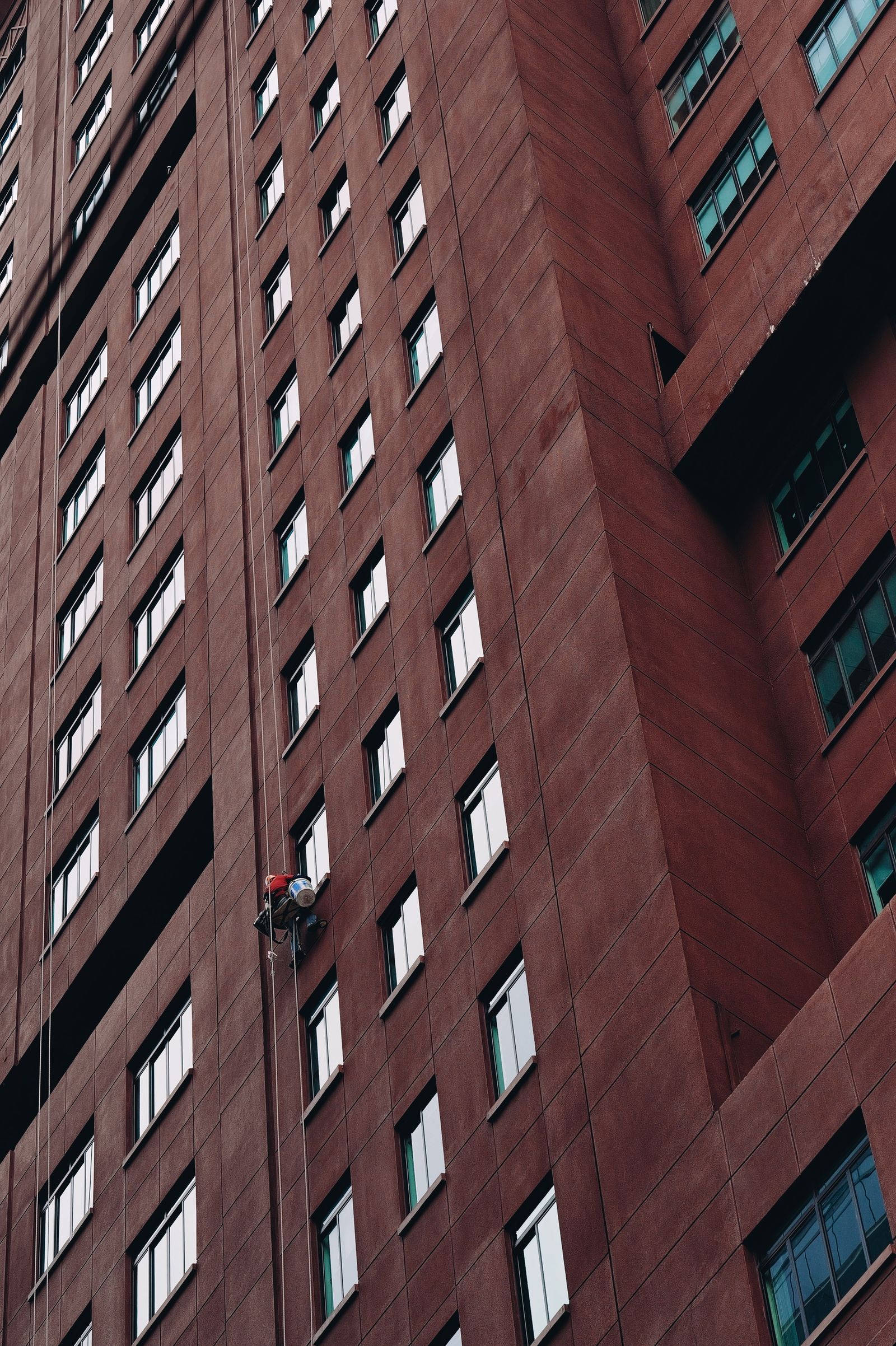
A lift can provide close contact detail but needs suitable staging room, a travel path, setup time, and protection for sidewalks, landscaping, vehicles, or parking. A pole system may be efficient for selected glazing or lower elevations but may not reach every recess or textured wall. Rope access, roof access, and hand work each bring their own planning requirements. Drone-assisted application or rinsing may reduce some repositioning on broad upper zones when wind, airspace, launch space, visual control, hose routing, and a protected ground area all support the operation.
Provo has airport activity, university operations, hospitals, utilities, trees, balconies, narrow sidewalks, and buildings close together. A commercial drone operation must follow applicable Federal Aviation Administration requirements, and property permission does not replace required authorization. The aircraft also cannot provide every contact task: entrance glass, frames, bonded mineral deposits, scraping, brushing, polishing, sealant inspection, and detailed architectural features may still need a person, pole, lift, or hybrid method. Ask for a defined aerial zone and fallback plan before treating drone access as the entire scope.
Match the method to the building's operating day
A university property may prioritize student safety, class changes, athletics, commencement, event setup, and clear accessible routes. A high-visibility hotel may prioritize guest arrivals, conference schedules, patios, breakfast service, and a consistent finish. A healthcare building may prioritize patient movement, ambulance access, air intakes, and quiet phasing. A technology office may need security approval, tenant notices, restricted photography, and protected equipment. A retail or warehouse property may prioritize loading, customer parking, truck lanes, dust, and lower-wall soil. The right method is the one that reaches the priority elevations while protecting people, materials, operations, and the expected finish.
Request a side-by-side scope when the choice is unclear. The proposal should identify surfaces, soil, method by zone, test areas, access, protection, weather limits, drainage assumptions, exclusions, fallback access, and closeout photographs. Send the address, approximate height, current wide and close photos, materials, visible stains, preferred dates, water source, drains, parking or loading limits, security rules, and student, guest, tenant, or event restrictions. That information lets the contractor recommend soft washing, controlled pressure, contact detail, drone assistance, a hybrid sequence, or a referral for repairs.
Drone Building Cleaners can review Provo offices, university facilities, hotels, healthcare properties, technology campuses, retail centers, garages, warehouses, and mixed-use buildings. Call +1 239-351-2897, email contact@dronebuildingcleaners.com, or use the quote form to describe the property. We will explain the proposed method, access assumptions, expected appearance, water controls, and any items that should be addressed before cleaning.
Questions to ask before approving a Provo cleaning method
Ask what material the contractor believes is present, what residue was identified, and which elevations were actually reviewed. Ask whether the price includes a test area, plant and equipment protection, water controls, hand detail, glass work, access equipment, mobilization, and final photographs. A credible recommendation should explain where soft washing, pressure, pole work, hand cleaning, drone assistance, or a lift is appropriate and where it is not.
Also ask about weather and handback. How will the crew respond to wind, lightning, rain, snow, freezing temperatures, poor visibility, or changed drainage? Who coordinates with security, facilities, students, guests, tenants, deliveries, and emergency access? What does the proposal exclude, such as repair, mineral restoration, oxidation, coating failure, or leak correction? Clear answers help a property manager compare quotes by outcome and risk rather than by the equipment label or a low headline price.
For a Provo quote, include the building address, approximate height, target elevations, materials, visible soil, photos, preferred timing, water source, drainage, loading and parking limits, and operating restrictions. Call +1 239-351-2897 or email contact@dronebuildingcleaners.com to get in touch. The more useful the site information, the more specific the proposed sequence can be before anyone mobilizes.